## What Flat Roofing Is and Why Chicago Homes Need It
Flat roofing is a single-membrane system that covers the entire roof deck with a continuous, weatherproof barrier. Unlike pitched roofs with shingles, flat roofs rely on a self-adhered or mechanically fastened membrane—typically EPDM rubber, TPO thermoplastic polyolefin, or modified bitumen SBS—to shed water and resist Chicago's brutal climate swings. We've installed flat roofs on everything from 1920s warehouses in Pilsen to modern condos in Lincoln Park, and every job teaches us something about how water moves across a flat surface and where it pools.
Chicago's weather is uniquely hard on flat roofs. Winter temperatures drop to -20°F, causing membrane splitting from freeze-thaw cycles. Spring hail storms puncture membranes. Summer heat causes thermal expansion and contraction that stresses seams. Lake-effect snow loads pile up faster than your drainage can handle, creating ponding water that wicks into the substrate. A properly installed flat roof handles all of this; a poorly installed one fails within five years.
## Signs Your Flat Roof Needs Repair or Replacement
Water stains on your ceiling are the loudest alarm. We've walked into dozens of Chicago homes where a stain the size of a dinner plate meant seepage had already traveled 10 feet across the decking. Visible membrane cracks or splits—especially at seams—mean thermal stress has torn the barrier. Standing water after storms tells you the slope is inadequate or the drainage system is clogged. Ice buildup at gutters signals that meltwater has nowhere to go and is backing up under the membrane.
Less obvious signs matter too. Blistering on the membrane surface means trapped moisture is trying to escape. Granule loss or surface erosion on modified bitumen means the membrane is degrading. A roof that sags in spots has lost structural integrity in the decking—rot or decay underneath the membrane. We always inspect the substrate before quoting; a membrane is only as good as what sits beneath it.
## Materials We Use for Flat Roofing in Chicago
**EPDM Single-Ply Membrane** is our most common choice for residential flat roofs. It's a rubber sheet, typically 45 or 60 mils thick, that we seam together using hand-sealed laps or self-adhered tape. EPDM costs $3.50–$5.00 per square foot installed and lasts 25–30 years. It flexes with thermal movement, resists UV, and handles Chicago's temperature swings without splitting. The downside: seams are vulnerable if not sealed correctly, and punctures require patching.
**TPO Thermoplastic Polyolefin** is a newer single-ply that we spec for clients who want better seam strength. TPO welds together using heat, creating a monolithic barrier with no laps. It costs $4.50–$6.50 per square foot and lasts 20–25 years. TPO is more forgiving in cold weather than EPDM—it doesn't crack as easily during freeze-thaw—but it can shrink over time if the membrane is undersized.
**Modified Bitumen SBS** is a torch-applied membrane we use on commercial flat roofs and some residential jobs where the owner wants a proven, traditional approach. It's asphalt with rubber modifiers, installed in overlapping courses using a propane torch. Cost is $3.00–$4.50 per square foot; lifespan is 15–20 years. Modified bitumen is tough and handles foot traffic, but it requires skilled installation and isn't ideal for DIY repairs.
Each material requires different installation methods. EPDM uses ring-shank nails and mechanical fasteners at the perimeter, with seams sealed by hand. TPO requires a heat welder and trained operators. Modified bitumen needs a torch and experience with hot tar. We choose the material based on your budget, roof structure, and how long you plan to stay in the home.
## The Flat Roofing Process: What to Expect
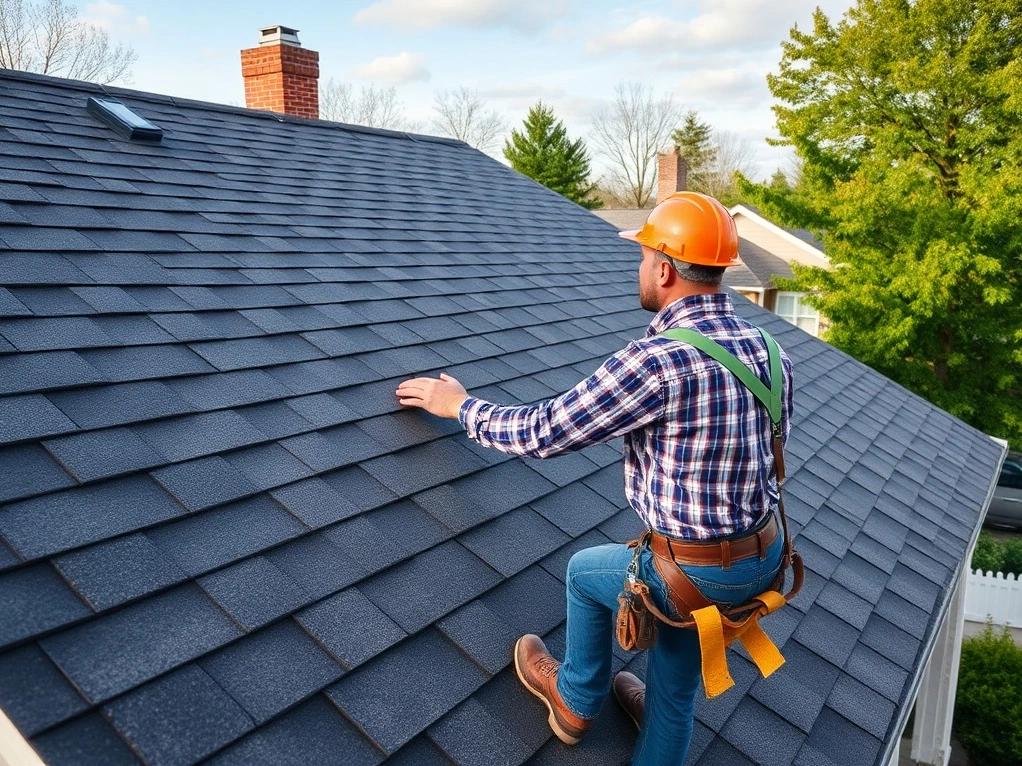
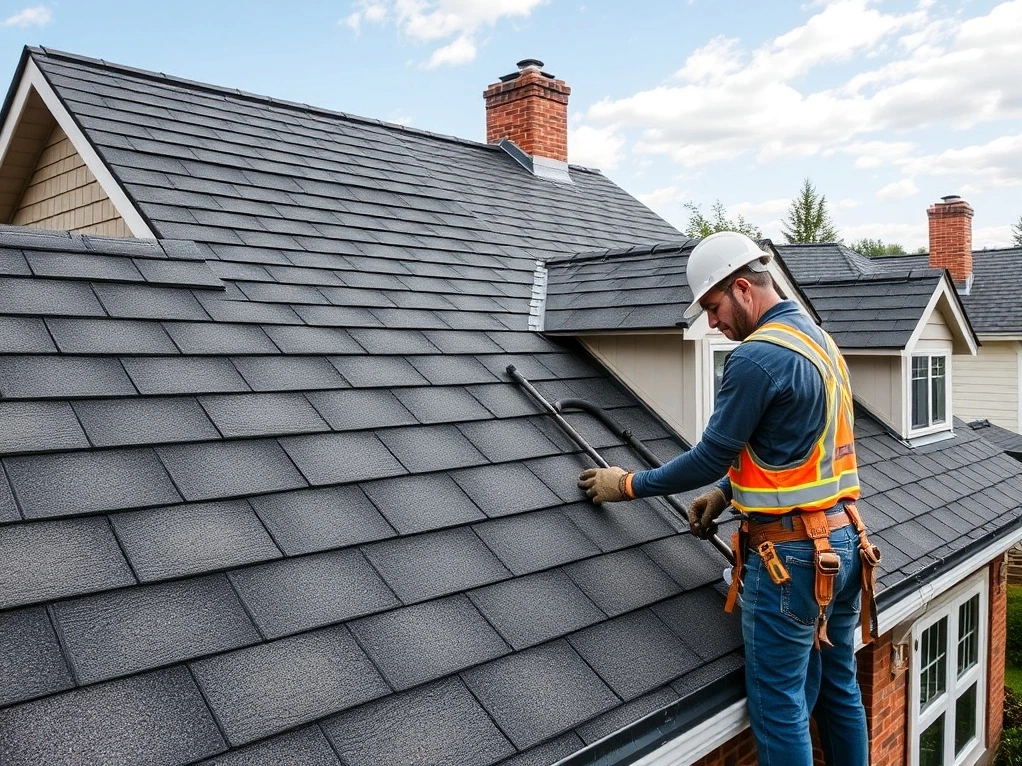
**Step 1: Inspection and Assessment** — We climb onto your roof and check the membrane for cracks, splits, and seam separation. We measure the slope (Chicago code requires minimum 1/4-inch per 12 inches, though many older roofs have zero slope). We check the substrate—decking, insulation, vapor barrier—for rot, decay, and sag. If we find structural issues, we recommend engineered drawings and permit approval before proceeding. This inspection takes 1–2 hours and is free.
**Step 2: Permit and Planning** — Any roof replacement over 100 square feet requires a Chicago building permit. We handle the permit application; it typically takes 5–10 business days. We also calculate snow load capacity and wind uplift resistance for your roof structure. Prairie winds can reach 60+ mph, so we spec fastener patterns and attachment methods accordingly. We schedule the job around weather—never during rain or heavy wind.
**Step 3: Tear-Off or Recover** — For most Chicago homes, we perform a full tear-off: removing the old membrane, flashing, and any deteriorated insulation. This exposes the substrate so we can inspect for rot and repair decking before laying new material. A tear-off takes 1–2 days depending on roof size. If the substrate is sound and the old membrane is still adhered, we may recover—installing new membrane over the existing layer. Recovery is faster and cheaper but traps moisture if the old membrane is already failing.
**Step 4: Substrate Preparation and Insulation** — We inspect every inch of decking for soft spots, rot, or decay. Any compromised wood gets replaced. We install new insulation if needed—rigid foam board rated for your climate zone and fastened per code. We install ice and water shield at the perimeter and around penetrations (vents, skylights, HVAC). This step takes 1 day and is critical; a poor substrate dooms the membrane.
**Step 5: Membrane Installation** — We lay out the new membrane (EPDM, TPO, or modified bitumen) in staggered courses, starting with a starter course at the low edge. For EPDM, we hand-seal seams using adhesive or tape. For TPO, we heat-weld every seam. For modified bitumen, we torch-apply each course with proper lap and overlap. We use ring-shank nails and mechanical fasteners at the perimeter, following manufacturer specs. This step takes 2–3 days for a typical 1,500-square-foot roof.
**Step 6: Flashing and Penetrations** — We install new flashing around roof penetrations (vents, skylights, HVAC units) using the same membrane material or compatible metal. Flashing is where most leaks start; we use self-adhered flashing tape and seal every edge. We install drip edge at the perimeter and ensure gutters are clean and sloped for drainage.
**Step 7: Final Inspection and Cleanup** — We perform a full inspection, checking every seam, every fastener, and every penetration. We clean up all debris, haul away old membrane, and leave your property spotless. We provide a warranty certificate and explain maintenance requirements.
Total timeline: 5–7 business days from permit to completion, weather permitting.
## Flat Roofing Costs in Chicago
A typical flat roof replacement in Chicago costs $4,500–$12,000 for a 1,500-square-foot roof, depending on material, substrate condition, and complexity. EPDM runs $5,000–$8,000; TPO runs $7,000–$10,000; modified bitumen runs $4,500–$7,000. If we find structural damage during tear-off, costs rise. Permit fees add $300–$600. Labor is $2.50–$4.00 per square foot; material is $1.50–$3.00 per square foot.
We offer financing and work with most insurance carriers for storm damage claims. We never charge for estimates, and we provide written quotes with material specs, labor breakdown, and warranty details.
## Warranties and Insurance
We warranty all materials per manufacturer specs—typically 10–20 years for EPDM, 10–15 years for TPO, and 10 years for modified bitumen. We also warrant our labor for five years. If a seam fails or the membrane leaks within our warranty period, we repair it at no cost. We carry full liability insurance and workers' compensation; we require all subcontractors to carry the same.
Most homeowner's insurance covers flat roof replacement if damage is from a covered peril (hail, wind, snow load). We help file claims and work directly with adjusters to maximize your payout.
## Why Chicago Flat Roofs Fail (And How We Prevent It)
Membranes split from freeze-thaw cycles because water wicks into tiny cracks and expands when it freezes. We prevent this by using TPO in cold climates and ensuring every seam is sealed. Ponding water erodes the membrane and rots the substrate. We prevent this by installing proper slope and drainage. Seam separation happens during thermal expansion and contraction—the membrane wants to move, but fasteners hold it rigid. We prevent this by using self-adhered membranes that flex and by spacing fasteners correctly. Ice dams form at roof edges when meltwater backs up under the membrane. We prevent this by installing ice and water shield and ensuring gutters are clear.
We've replaced roofs that failed in three years because the contractor didn't seal seams, didn't slope for drainage, or used undersized membrane. We don't cut corners. Every roof we install passes inspection and lasts decades.