Roof Coating in Chicago, IL
Chicago Roofing Team restores aging residential roofing with protective elastomeric coatings, eliminating ponding water and stopping leaks before they damage gutters and fascia. Instead of replacing the whole roof, coating extends the life of asphalt shingles, metal panels, and membranes by 10–15 years. Call (312) 313-3253 for a free inspection.
Call 3123133253What Is Roof Coating and How It Works
Roof coating is a protective layer applied directly over your existing roofline to seal the substrate, waterproof seams, and add reflective properties that lower attic temperatures. Instead of a full tear-off, coating renovates what you have—whether your roof deck is asphalt shingles, metal panels, TPO membrane, or EPDM—by adding a new weatherproofing membrane on top.
When applied correctly, elastomeric coatings stretch and contract with seasonal temperature swings without cracking or peeling.
Acrylic elastomerics dry faster and work well on flat or low-slope roofs.
Silicone coatings resist ponding water and are ideal if your roof has drainage issues.
Polyurethane options offer maximum tensile strength and abrasion resistance for high-traffic areas near vents and flashing.
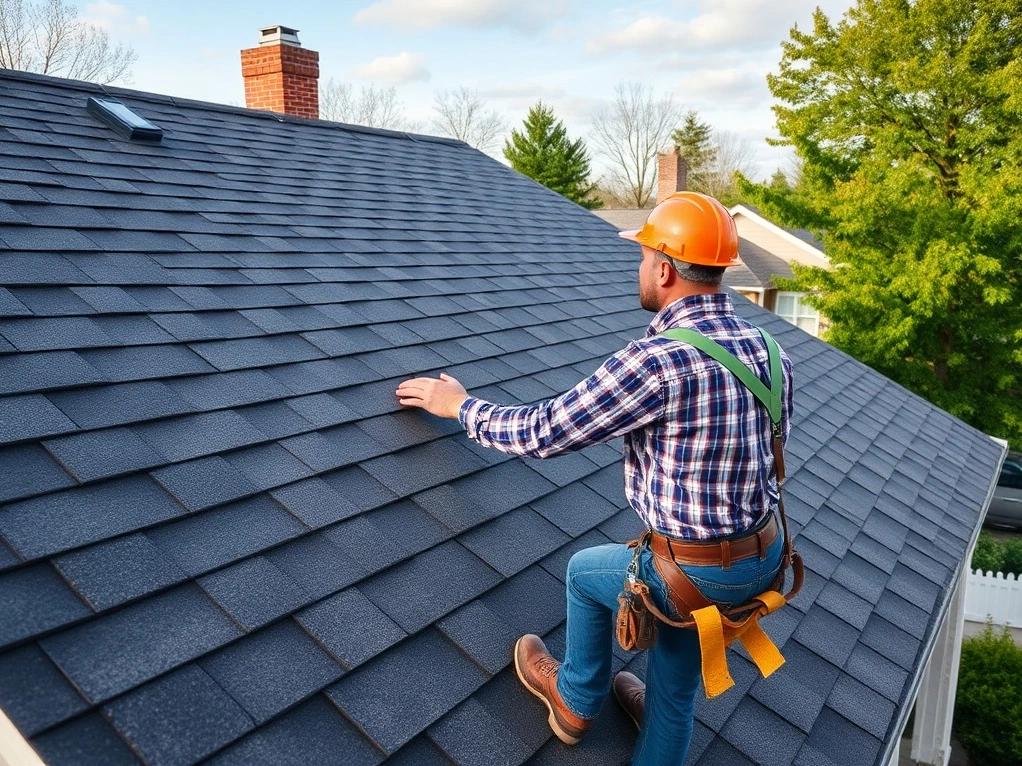
The coating process begins with a thorough roof inspection. We identify damaged shingles, missing ridge caps, cracked flashing (especially counter-flashing where dormers meet the roof deck), and areas of blistering or UV degradation on the existing membrane. Any holes, gaps, or split seams are patched before the primer is applied.
Coating Materials and System Options
We use three primary coating systems, each with specific advantages for Chicago properties.
Silicone Coatings are the workhorses for Chicago's winter climate. They cure in 8–12 hours, resist ice dam formation, and have exceptional tensile strength. Silicone excels on asphalt shingles and modified bitumen roofs; coverage rate runs 1.5–2 gallons per 100 square feet. Henry and GAF Unisil are industry-standard formulations.
Acrylic Elastomerics are budget-friendly and reflective, lowering summer cooling costs. They take 24–48 hours to cure, making them ideal for residential jobs. Acrylic works best on flat TPO or EPDM membranes; the trade-off is less durability in heavy ice.
Polyurethane Coatings deliver the highest tensile strength and UV resistance. Cure time is 48–72 hours. Polyurethane is the choice for metal roofs and standing-seam panels. Every job starts with a primer—a thin adhesive base that bonds the coating to the existing substrate (plywood, OSB, or old felt underlayment). The primer ensures uniform adhesion and prevents blistering.
Cost Ranges and Timeline for Chicago
Roof coating prices in the Chicago area range from $0.50–$1.50 per square foot of roof, plus materials and labor.
Small residential roof (1,200 sq ft asphalt shingles): $600–$1,800 in labor and materials.
Medium residential roof (2,000 sq ft, metal panels or TPO): $1,000–$3,000.
Large residential or commercial roof (4,000+ sq ft): $2,000–$6,000+.
Factors affecting price: Roof condition (cracked, blistered, or moss-covered roofs need extra prep), coating type (silicone costs more than acrylic but lasts longer in Chicago winters), square footage and slope (steep roofs require scaffolding), and number of penetrations (pipe boots, skylights, chimneys, vents).
Most coatings come with 10–15 year warranties on materials and 5–10 years on labor. We're licensed and insured for all work. Apply coating in late spring (May–June) or early fall (August–September) when temperatures are stable and humidity is moderate.
Chicago Winter Weather and Roof Coating Protection
Our winters demand reliable protection. Heavy snow, ice dams, and Lake Michigan wind create stress on roofing systems. Silicone and polyurethane coatings keep the roofline warmer, reducing freeze-thaw cycles that lock ice under shingles and flashing.
Proper insulation in the attic (ventilation through soffit vents and ridge vents) works with the coating to shed water instead of trapping it.
Coating seals loose shingles and reinforces flashing bonds so lake-effect wind gusts don't lift edges or tear open counter-flashing.
Reflective elastomeric coatings shed water faster and resist degradation from ponding water common in Chicago's spring rains and spring drainage issues on older roofs.
Warranty, Insurance, and Compliance
Every coating we apply is backed by the manufacturer's written warranty (typically 10–15 years on materials) plus our labor warranty (5–10 years). We're licensed and insured; our policy covers the work and protects your property during application.
If your homeowner's insurance requires roof certification, we provide a post-coating inspection report documenting the work and the roof's new condition. Some insurers offer discounts when a new coating extends roof life and reduces weather-related claims.
What's Included
- Complete roof inspection documenting existing condition, damage, and coating substrate compatibility
- Pressure cleaning and debris removal from roof deck, gutters, and downspout areas
- Repair and recaulking of all flashing: step flashing, counter-flashing, chimney flashing, pipe boots, and drip edge
- Patching of damaged shingles, blistered membrane, torn seams, and ice-and-water shield replacement as needed
- Primer application with full cure time before finish coat to ensure adhesion to substrate
- Two-coat elastomeric, acrylic, or polyurethane roof coating with uniform coverage rate across all roof planes, ridges, and valleys
- Final walkthrough inspection and touch-up of missed areas; gutter and debris cleanup
- Manufacturer's written warranty documentation (10–15 years material, 5–10 years labor) and post-job inspection report for insurance
Our Roof Coating Process
How We Apply Roof Coating in Chicago
- Roof Inspection & Cleaning (Day 1) — Our team inspects the roofline, roof deck, flashing, gutters, and fascia. We document any blistering, ponding water, damaged shingles, or cracked counter-flashing. The roof is pressure-washed at low pressure to remove moss and debris without damaging the substrate. Gutters and downspouts are cleared.
- Flashing Repair & Sealing (Day 1–2) — All step flashing, chimney flashing, boot flashing around pipe penetrations, and drip edge along the eaves are recaulked and resealed with flexible roof cement or polyurethane sealant. Ice-and-water shield is added to critical zones (valleys, dormers, ridge areas) to prevent future ice dam formation.
- Patching & Surface Preparation (Day 2) — Holes, torn shingles, and separated seams are cut out and patched. Blistered membrane is flattened and sealed. The entire substrate is inspected for smoothness and readiness for primer adhesion.
- Primer Application (Day 2–3) — A thin, uniform primer coat is rolled or sprayed across the roof deck. The primer cures for 4–8 hours before the finish coat begins. This step ensures the elastomeric, acrylic, or polyurethane coating adheres uniformly and prevents future blistering.
- Finish Coat Application (Day 3–4) — We apply two thin coats of elastomeric, acrylic, or polyurethane coating. Each coat covers 100–150 square feet per gallon and is applied with roller or airless sprayer. The roofline, ridge cap, valleys, and all flashing seams receive extra attention to seal completely. Cure time is 24–72 hours depending on the material and weather.
- Final Inspection & Cleanup (Day 4–5) — After full cure, we walk the roof, check for missed spots, and apply touch-ups. Dumpsters and equipment are removed; the property is left clean. You receive a post-job inspection report and warranty documentation.
Signs You Need Roof Coating
Does Your Roof Need Coating? Look for These Warning Signs
- Granule loss across asphalt shingles or architectural shingles, exposing the tar substrate to UV degradation and water penetration
- Ponding water that sits for 48+ hours after rain, especially on flat roofs or low-slope areas where drainage toward gutters is poor
- Blistering on your membrane—a sign moisture is trapped beneath the surface and coating will seal and stop further degradation
- Cracks, separation, or leaking in flashing around chimneys, dormers, skylights, pipe boots, and ridge caps where water wicks into the home
- Visible moss or algae growth combined with early end-of-life wear; Chicago's humid summers accelerate roof deterioration
- Roof age 12–17 years with no immediate replacement budget; coating adds 10–15 years and defers the expense of a full tear-off and re-roof
- Ice dam formation in winter, especially along the eaves where attic heat and insufficient ventilation (soffit vents, ridge vents) meet poor insulation
- Wind damage from lake-effect storms pulling at shingles or separating counter-flashing along the roof's perimeter and gables
Don't just take our word for it — hear from our satisfied customers.
"The team coated our 1980s ranch in Wicker Park instead of replacing the whole roof. Saved us $4,000 and our roof doesn't leak anymore. Five years later, still bone dry. Highly recommend." — Sarah M., Wicker Park
"We had ponding water on our flat commercial building in Pilsen for years. After the coating, drainage improved and no more interior leaks. Professional, licensed crew, cleanup was spotless." — Robert K., Pilsen
"Our Lincoln Park brownstone's skylight flashing was leaking into the master bedroom. Chicago Roofing Team sealed everything with the coating and even fixed the counter-flashing. Great communication and on-time finish." — Jennifer L., Lincoln Park
Ready to get started? Call us today at 3123133253 for a free estimate.
Free estimates · Licensed & Insured · 25-year warranty
Call 3123133253